

Eat, Drink, Love: Why Jerez is Spain’s Gastronomic Capital for 2026
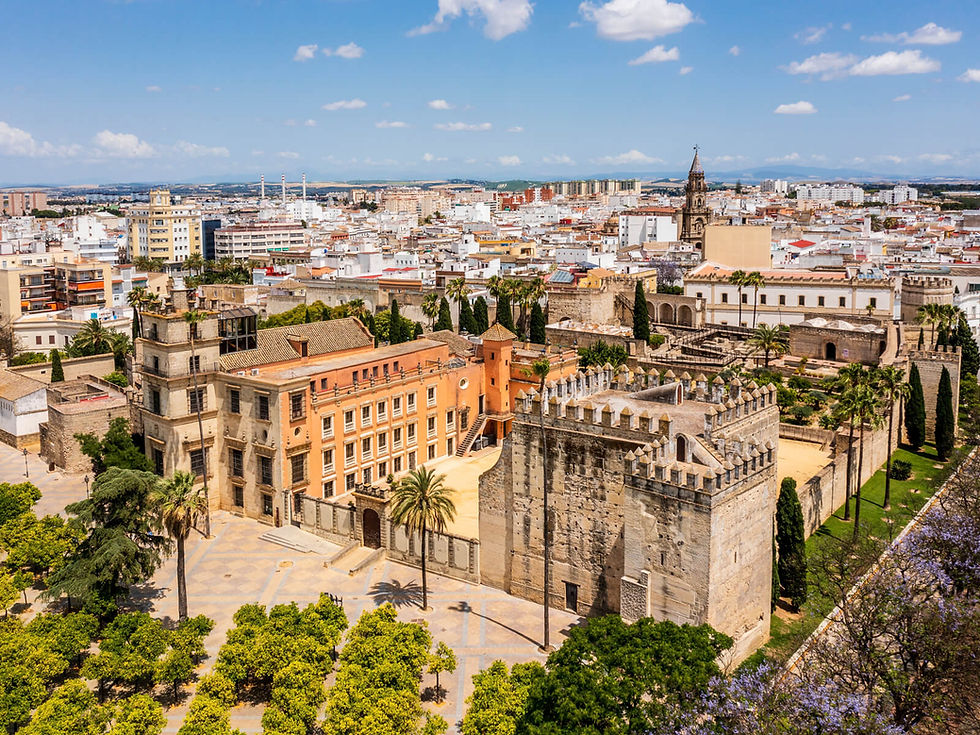
While the glittering palaces of Seville and the Alhambra of Granada often steal the Andalusian spotlight, 2026 belongs to Jerez de la Frontera.
Officially named the Spanish Capital of Gastronomy for this year, Jerez is inviting the world to experience its soul under the slogan "Eat, Drink, Love Jerez." Just one hour south of Seville and near the coastline of Cadiz, Jerez is easily accessible, yet it retains all the charm of an old-world, historic city.
This prestigious title isn't just a badge of honor; it is a year-long invitation to a city that has spent centuries perfecting the art of the table. With over 50 major events planned, ranging from open-air sherry festivals to international culinary summits, 2026 offers the ultimate excuse to discover a top culinary city that remains authentically Spanish, wonderfully unpolished, and deeply delicious.
For the traveler who prefers authentic charm over tourist crowds, there has never been a more compelling time to discover this intersection of salt, soil, and soul. Here’s our Jerez travel guide, with a foodie focus.
A Legacy of Flavor: The Jerezano Kitchen

Jerez has always been a city that lives through its palate. Long before the 2026 accolade, the city’s identity was forged in the Albariza (white chalk) soil of the surrounding vineyards and the rugged traditions of the campiña, the vast, fertile rolling hills that produce the world’s finest sherry grapes, and its proximity to the Atlantic coast.
Traditional dishes here are soul-warming and complex. You cannot visit without tasting Berza Jerezana, a legendary local stew of chickpeas, beans, meats, and vegetables that serves as the ultimate comfort food. Other staples like Riñones al Jerez (kidneys sautéed with sherry) and Cola de Toro (oxtail) showcase the city’s mastery of slow-cooked, rich flavors.
However, the true magic of Jerez lies in its "enogastronomy," the art of pairing food with wine. In this city, sherry is not merely a drink; it is a fundamental ingredient and the ultimate pairing tool. The local tradition of maridaje (pairing) is a sensory education.
A bone-dry, saline Fino is the perfect partner for the region's famous fried fish, while a nutty Amontillado elevates an aged cheese or an artichoke dish that would "kill" any other wine. This deep-rooted culture of matching every bite to a specific pour from a local cask of Jerez sherry wine is what makes dining in the city a truly unique experience in the world of food.
Other Things to do in Jerez de la Frontera: Horses, Heritage, and Flamenco

While the food is enough to draw any traveler, Jerez offers a cultural richness that rivals any of its neighbors. It is world-renowned as the cradle of the Andalusian horse. A visit to the Royal Andalucian School of Equestrian Art is essential to witness the "How the Andalucian Horses Dance" show, a breathtaking display of equestrian ballet. Prestigious Carthusian horses have been bred in Jerez since the 15th century, and the school remains one of the world’s leading centers for dressage.
The city’s history is also etched into its skyline, from the 11th-century Moorish Alcázar with its dark, cooling chambers and lush gardens to the towering cathedral, which stands as a monument to the city’s 18th-century wealth.
Beyond the stone monuments, Jerez de la Frontera attractions include the soulful heart of "puro" flamenco. Unlike the choreographed shows designed for tourists in larger cities, flamenco in Jerez is a lived experience, raw and spontaneous. In the winding streets of the Santiago and San Miguel neighborhoods, you might hear the rhythmic palmas (clapping) echoing from a hidden courtyard or a local bar.
The city’s historic old town is a labyrinth of orange-tree-lined plazas and aristocratic palaces that invite slow wandering. It is a city of duende, that elusive Spanish term for soul and inspiration—found in every hoofbeat on the cobblestones and every strained note of a flamenco singer.
The Cathedrals of Wine: Diving Deep into Sherry

The history of sherry is an international affair. Throughout the 18th and 19th centuries, Jerez became a magnet for ambitious merchants from Britain, France, and the Netherlands. Names like Terry, Harvey, and Domecq still adorn the city’s walls, marking the grand "Cathedrals of Wine" that they built.
These bodegas are architectural wonders: vast, high-ceilinged spaces with thick walls and sand floors designed to keep the aging wine cool in the Andalusian heat. Unlike most wine regions where the wineries are tucked away in the countryside, Jerez’s bodegas are conveniently located right in the heart of the city.
No trip is complete without visiting González Byass, the legendary home of Tío Pepe. It is perhaps Spain’s most iconic Jerez wine brand, and the tour includes a stroll through a stunning circular cellar designed by Gustave Eiffel. For a sense of deep history, Bodegas Fundador is the oldest in the city, established in 1730, and houses barrels signed by everyone from royalty to Hollywood stars.
For those who appreciate the finer things in life, Bodegas Tradición is a revelation. Not only do they produce some of the oldest, unrefined sherries in the region, but their estate also houses one of Andalucia’s finest private art collections, featuring masterpieces by Goya and Velázquez. Sipping a 30-year-old VORS (Very Old Aged Sherry) while standing before a Spanish Master is an experience you won't soon forget. The VORS label signifies a wine of at least 30 years of age, with exceptional quality, complexity, and rarity, offering intense flavors like dried fruits, nuts, and oak from its prolonged oxidative aging.
The Soul of the City: The Tabanco Tradition

To eat like a local and to truly understand Jerez, you must step into a tabanco. These are unique sherry taverns—part social club, part neighborhood grocery, and part wine shop—where sherry is still served directly from the barrel (granel).
They are the lungs of the city’s social life. Tabanco El Pasaje is one of the most famous, dating back to 1925; here, the menus are scrawled in chalk on the bar top, and you can enjoy a glass of Amontillado alongside free, impromptu flamenco performances that start when the mood strikes.
Another must-visit is Tabanco San Pablo, which has been serving the neighborhood since 1934. It is the perfect place to try traditional tapas, like ajo caliente (a traditional garlic and bread soup) or a plate of paper-thin Iberian ham. In these wood-paneled bars, the atmosphere is thick with history and the scent of aging oak. It is unpretentious, loud, and incredibly welcoming.
Ordering a copita of wine and a small tapa of kidneys in sherry is not just a meal; it is an initiation into the Jerezano way of life, where time slows down and the quality of the conversation is as important as the quality of the wine. Tabancos are the most authentic way to experience the "Eat, Drink, Love" philosophy.
Avant-Garde Andalucia: Fine-Dining
While tradition is king, a modern culinary revolution is sweeping through the city. Jerez also now boasts Michelin stars, with chefs like Israel Ramos and Juanlu Fernández reimagining local ingredients through avant-garde techniques.
This "New Jerez" style takes the classic flavors of the region—sherry vinegar, seafood from the nearby coast, and local game, and transforms them into world-class tasting menus that rival anything in Madrid or Barcelona. Jerez sherry wine isn't just for old-fashioned taverns—it is a world-class companion for avant-garde gastronomy.

Known as the "Sherry Restaurant," Chef Javier Muñoz creates "sherry cuisine" where wine is both an ingredient and the soul of every dish. Set in a stunning high-ceilinged former bodega, this is where you’ll see well-dressed locals heading on the weekend (remember to reserve). Perfect for a truly special experience, ask for one of the sherry-paired tasting menus (from €80).

Located within the Casa Palacio María Luisa, T22 offers a refined, aristocratic dining experience. It focuses on elevating traditional Andalusian flavors with modern precision in an exceptionally elegant, white-linen setting. It’s all very experiential; think sherry served in test tube glasses and a very well-priced tasting menu (just €60) celebrating seasonal ingredients.

Chef Israel Ramos holds a Michelin star here, delivering a deeply personal journey through Cadiz’s terroir. The tasting menus are sophisticated, poetic, and arguably the finest expression of modern Jerezano identity.
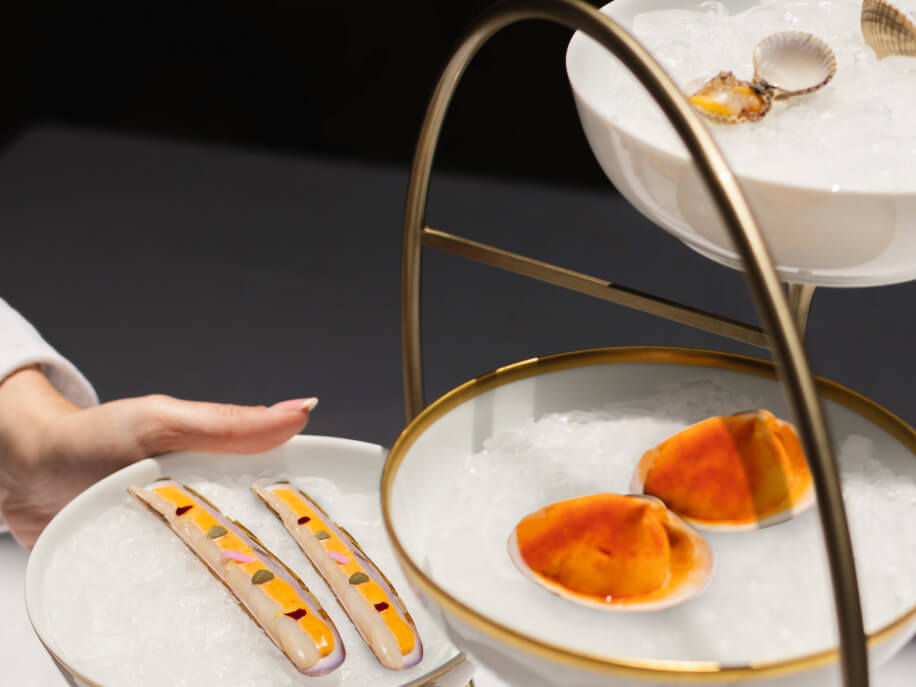
Holding a Michelin star, Juanlu Fernández blends his passion for French haute cuisine with his Andalucian roots. Expect "Franco-Andalucian" masterpieces served in a whimsical, impeccably designed space near the city center.
Up-and-Coming: Best Restaurants in Jerez
While the historic tabancos and Michelin stars define the two ends of the spectrum, a vibrant "middle ground" is where Jerez’s modern pulse beats strongest. This category of gastrobars and refined bistros represents the up-and-coming talent that will truly flourish during the 2026 Spanish Capital of Gastronomy celebrations.
These venues take the DNA of the traditional tavern—the conviviality, the local products, and the sherry focus—and elevate it with contemporary techniques and global influences.
As 2026 approaches, these are the spots that are refining their menus and expanding their cellars, proving that you don't need a white tablecloth to experience world-class innovation.

A contemporary gem focusing on "product-led" cooking. Matria is run by two friends - Mario Pizarro y David Ripalda - and prides itself on seasonal local ingredients and creative plates that bridge the gap between traditional family recipes and modern, elevated culinary techniques. It also has an excellent wine lit, with more than 100 wines available by the glass.

True to its name, Jaleo is vibrant and full of life. It’s a modern take on the traditional tavern, serving high-quality, creative tapas and raciones that are perfect for sharing. Here, chef Manuel Loreto lives by the phrase he puts at the top of his menu, “The food of my home, that my grandmothers taught me to make”.

A temple for seafood lovers, A Mar brings the freshest catch from the nearby Atlantic coast to the heart of the city. Their fish and shellfish are prepared with exquisite simplicity, they celebrate almadraba red tuna - caught the same way since Phoenician times on the Cadiz coast, and present every dish with artistic flair.

This stylish spot offers a fusion of Basque and Andalusian influences. It is renowned for its creative pintxos and small plates, offering a fresh, youthful perspective on the local dining scene. They call it the “neighborhood bar” and the atmosphere is exactly that, friendly, boisterous, and run by the welcoming husband and wife team Mariana Sánchez and Alejandro Bazán.
Where to Stay in Jerez: Boutique Luxury in the Sherry Capital
Jerez has seen a recent boom in high-end boutique accommodation, with historic palaces being lovingly restored into intimate hotels. These are some of the best places to stay in Jerez.

This is the city’s premier five-star grand luxury hotel, set in a breathtaking 19th-century palatial home. It offers an atmosphere of pure aristocratic elegance, with a stunning central courtyard and refined decor (think black and white marble and flashes of gold). Each room is uniquely designed, reflecting the refined taste of Jerez’s sherry-fueled Golden Age, complemented by a stunning garden and pool. This is our absolute favorite place to stay in the city to make a trip truly special.

Located within the grounds of the González Byass winery, this is the world's first "sherry hotel." It offers guests the chance to sleep in a beautifully converted historic building overlooking the cathedral. The rooftop terrace, complete with a swimming pool and views of the winery's "cathedrals," is unbeatable. A newer discovery for us, we loved it on our visit. Set right within the sherry bodega, it is elegant but relaxed, contemporary but steeped in sherry-making history.

A beautifully designed boutique hotel that blends contemporary minimalism with traditional Andalucian architecture, emphasizing light and space. Located in the heart of the old town, it’s the perfect stylish hideaway for the modern foodie looking for a more contemporary feel. Sidonia offers a minimalist, stylish retreat in the heart of the historic center. This is the newest luxury hotel in Jerez, opening in 2025. The rooms are understated but feature all the mod cons (and plenty of books inspired by Jerez and sherry) and the service is impeccable.
The Gateway to the Sherry Triangle

One of the greatest joys of visiting Jerez is its position as the gateway to a wider Andalucian discovery. The city is exceptionally well-connected; you can jump on a train and be in the heart of Seville in just one hour, making it easy to combine Jerez’s authentic charm with Seville’s grand monuments. Alternatively, a 40-minute train ride south brings you to Cádiz, the oldest city in the Western world, where you can walk along the Atlantic sea walls and feast on fresh oysters.
However, the most rewarding extension of your trip is exploring the other two corners of the "Sherry Triangle." Just a short drive or bus ride away lies Sanlúcar de Barrameda, a coastal town at the mouth of the Guadalquivir River. It is the only place in the world where the delicate, salty Manzanilla sherry can be aged, and a sunset dinner of Sanlúcar prawns on the beach is a bucket-list experience. To the south sits El Puerto de Santa María, a breezy port town famous for its seafood and the legendary Bodegas Osborne. You may have wondered about the large cutouts of bulls you see silhouetted against the sky as you drive down Spanish highways; these are advertisements for Bodegas Osborne brandy.
Jerez stands ready to prove that it is more than just a day trip from the coast. It is a top culinary city of layered history, world-class wine, and a hospitality that feels like a warm embrace. Whether you are a dedicated foodie or a curious traveler, 2026 is the year to come and enjoy a true taste of Jerez.


